
How Accurate is the RTD Trip Planner for Real-Time Transit Delays? sets the stage for this intriguing discussion, offering readers a glimpse into a narrative that is informative and engaging from the start.
The subsequent paragraphs will delve into the specifics of how the RTD Trip Planner operates and the factors influencing its accuracy.
How RTD Trip Planner Works
The RTD Trip Planner utilizes advanced technology to calculate real-time transit delays accurately. By analyzing various data points and factors, the system provides commuters with up-to-date information on their travel routes.Technology and Algorithms Used
The RTD Trip Planner employs sophisticated algorithms that consider live traffic conditions, historical data, weather forecasts, and even events happening in the area that may affect transit schedules. These algorithms constantly update and adjust predictions based on new information received.Factors Contributing to Accuracy
- Real-time GPS tracking of vehicles to monitor exact locations and speeds
- Integration of traffic data from multiple sources to anticipate congestion or road closures
- Analyzing rider feedback and reports to identify potential issues or delays
- Utilizing machine learning to improve prediction models over time
Data Sources for RTD Trip Planner
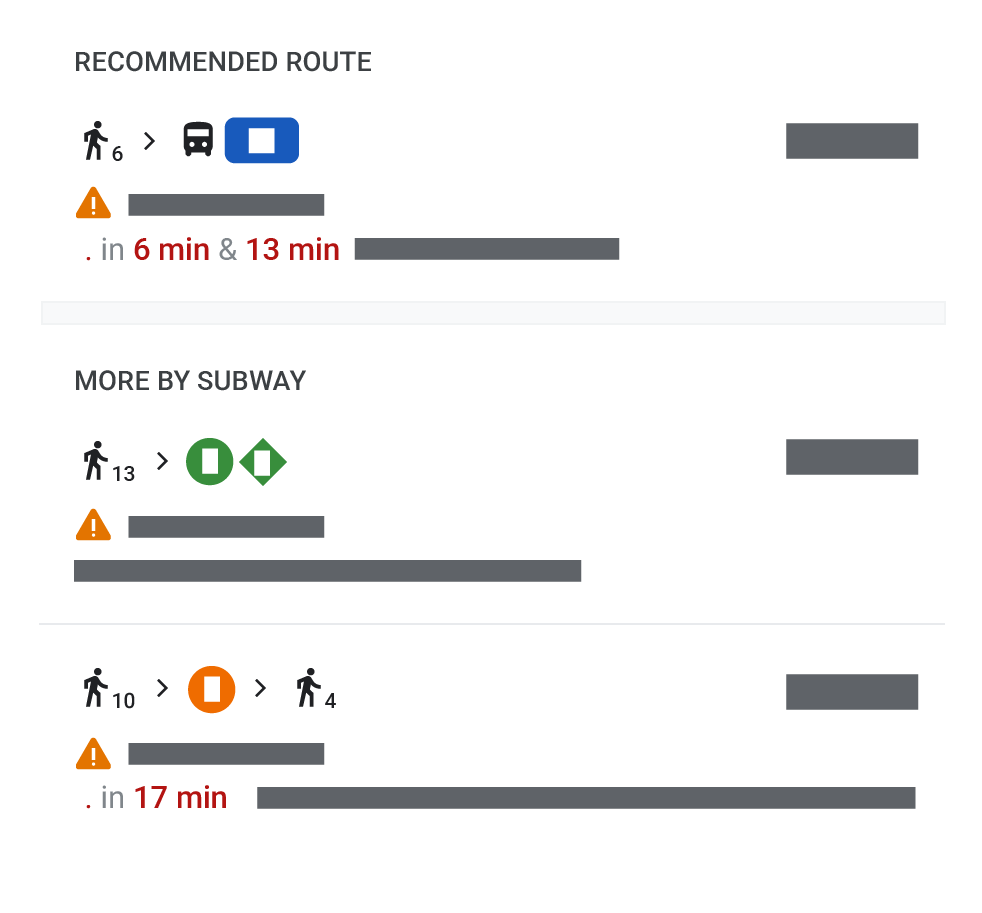 The accuracy of real-time transit delay information provided by the RTD Trip Planner heavily relies on the data sources it integrates and utilizes.
Primary Data Sources
- RTD's Vehicle Location Data: The RTD Trip Planner receives real-time updates from the vehicles themselves, allowing for accurate tracking of their locations and potential delays.
- RTD's Operations Center: Information from the RTD's operations center regarding any reported issues, construction, or incidents that may impact transit schedules.
- Third-Party Data Providers: RTD also collaborates with third-party data providers to gather additional real-time transit data, ensuring comprehensive coverage.
Data Integration Process
- Aggregation and Validation: The RTD Trip Planner aggregates data from multiple sources, cross-validates the information, and filters out any inconsistencies or errors.
- Real-Time Updates: By combining data from various sources, the RTD Trip Planner can provide real-time updates on transit delays, ensuring passengers have the most accurate information.
Handling Discrepancies
- Algorithmic Adjustments: The RTD Trip Planner employs algorithms to prioritize data sources based on reliability and historical accuracy, helping to resolve any discrepancies.
- Manual Verification: In cases of conflicting data or inconsistencies, the RTD Trip Planner may resort to manual verification to ensure the accuracy of real-time transit information.
Accuracy Assessment
Accurately assessing the reliability of the RTD Trip Planner in predicting transit delays is crucial for ensuring efficient travel planning for commuters. Various methods are employed to evaluate the accuracy of the predictions provided by the RTD Trip Planner.Evaluation Methods
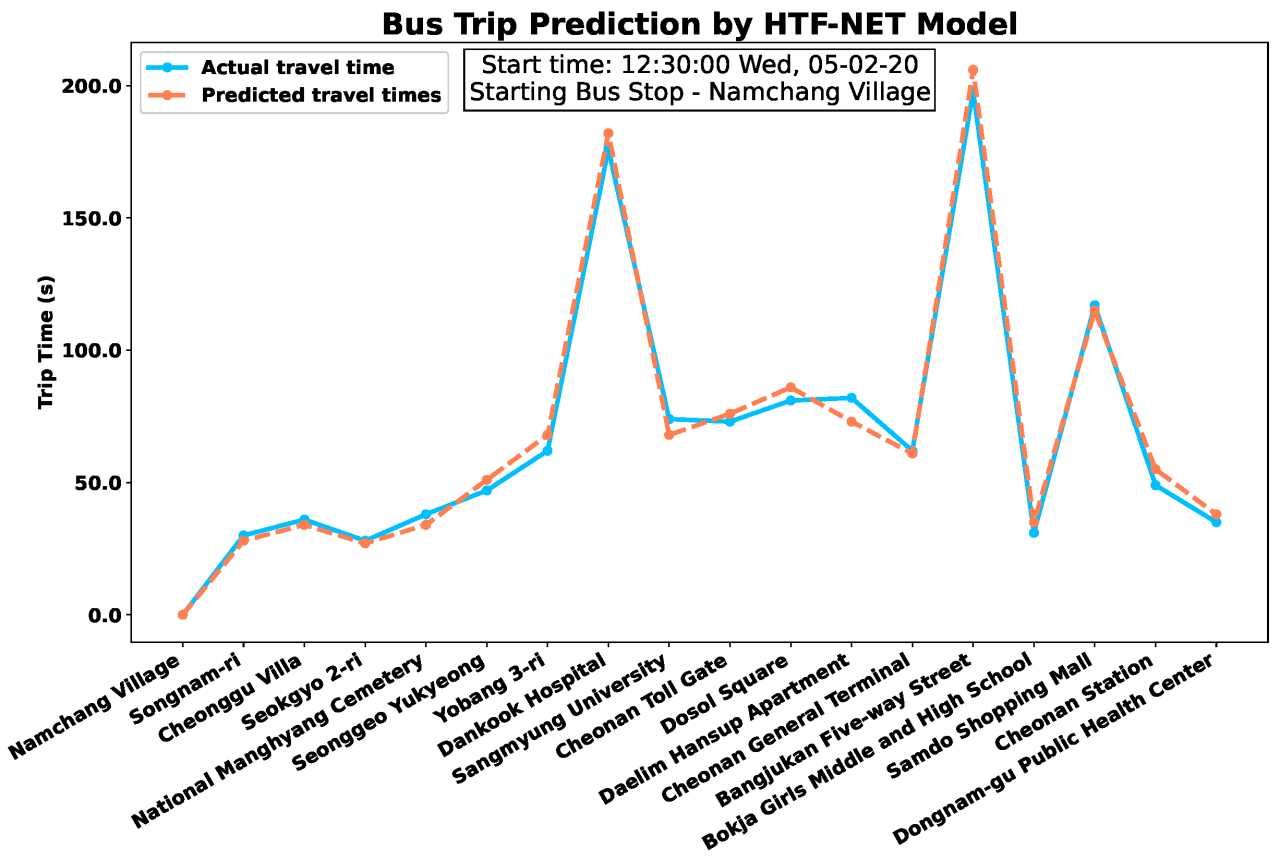
- Comparing Predicted vs. Actual Delays: One common method involves comparing the predicted delay times provided by the RTD Trip Planner with the actual delays experienced by commuters. This direct comparison helps in gauging the accuracy of the predictions.
- User Feedback and Surveys: Gathering feedback from commuters who have used the RTD Trip Planner can provide valuable insights into the accuracy of the predictions. Surveys can help in identifying trends and areas where improvements are needed.
Examples of Accurate Predictions
- In scenarios where there is heavy traffic due to an accident or road closure, the RTD Trip Planner accurately predicts delays by suggesting alternative routes or modes of transportation to avoid congestion.
- During severe weather conditions such as snowstorms or heavy rain, the RTD Trip Planner can accurately predict delays in bus and train schedules, allowing commuters to plan their journeys accordingly.
Limitations and Challenges
- Real-time data accuracy: The accuracy of the RTD Trip Planner heavily relies on real-time data provided by transit agencies. Any discrepancies or delays in updating this data can impact the accuracy of the predictions.
- Unforeseen Circumstances: While the RTD Trip Planner uses advanced algorithms to predict delays, unforeseen circumstances such as sudden road closures or accidents can still pose challenges in maintaining high accuracy levels.
User Feedback and Experiences
User feedback plays a crucial role in assessing the accuracy of the RTD Trip Planner in predicting real-time transit delays. By compiling feedback from users, the RTD can identify areas for improvement and enhance the overall functionality of the trip planner.User Testimonials
- Many users have reported that the RTD Trip Planner provides reliable and accurate predictions for transit delays, allowing them to better plan their journeys.
- Some users have shared anecdotes of instances where the trip planner alerted them to delays ahead of time, enabling them to make alternative travel arrangements.
- Occasionally, users have noted discrepancies between the predicted delay times and the actual delays experienced, indicating areas where the trip planner may need fine-tuning.
Improving Accuracy Through Feedback
User feedback is instrumental in helping the RTD Trip Planner evolve and become more precise over time. By analyzing user experiences and suggestions, the RTD can implement updates to the trip planner algorithm, incorporate new data sources, and enhance the overall predictive capabilities of the tool.Concluding Remarks
In conclusion, this exploration of the RTD Trip Planner's accuracy in predicting real-time transit delays provides valuable insights and prompts further reflection on the topic.
FAQ Section
How does the RTD Trip Planner calculate real-time transit delays?
The RTD Trip Planner uses algorithms that consider various factors such as traffic conditions, route schedules, and historical data to predict transit delays accurately.
What are the primary data sources used by the RTD Trip Planner for real-time transit delay information?
The RTD Trip Planner integrates data from sources like GPS tracking, traffic reports, and weather updates to provide up-to-date information on transit delays.
How is the accuracy of the RTD Trip Planner assessed?
Methods such as comparing predicted delays to actual delays and analyzing user feedback are used to evaluate the accuracy of the RTD Trip Planner.
How does user feedback contribute to improving the RTD Trip Planner's accuracy?
User feedback helps identify areas for improvement and allows developers to enhance the RTD Trip Planner's predictive capabilities over time.